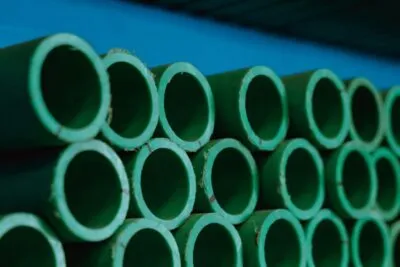
One of the most commonly used materials for plastic tube extrusion is polypropylene. In this article, we take a look at why polypropylene is used for plastic extrusion purposes and what can be made from it.
What is Polypropylene?
Polypropylene (PP) is a very versatile plastic and is chosen as a material for plastic extrusion due to its low cost, high-temperature tolerance and durability. Depending on its intended use, there are varying grades of polypropylene, making it suitable for a range of applications, from food packaging to automotive components.
Why is Polypropylene Used For Tube Extrusion?
There are a number of reasons why polypropylene is the best material to use for plastic extrusion.
Heat Resistance
Firstly, in comparison to other plastics, polypropylene is fairly resistant to heat. Offering a higher melting point, polypropylene is the perfect choice for creating items which require heat resistance, such as electrical components or for use in transferring hot liquids or gasses.
Chemical Resistance
Polypropylene is also resistant to many chemicals, particularly those which are acidic or alkaline, making it a great tubing choice for labs and industrial uses. Polypropylene tubes are also typically strong enough to be protected against corrosion.
Stress Resistance
Even under heavy torsion, bending or stress, polypropylene can maintain its shape well, regardless of the number of uses. This makes it a great material choice for plastic hinges, such as those used on caps for squeezy bottles or plastic box cases.
Customisable
Polypropylene also offers a highly customisable material, as tubes can be created in solid colours, multiple colours, translucent or clear depending on the intended use.
Economical
Polypropylene offers a wide variety of applications for a relatively cheap price, as one of the lower cost plastic options for extrusion. As well as this, polypropylene plastics are widely recyclable, allowing the materials to be reused, furthering its cost efficiency.