Although plastics are used in most areas of our lives, many of us will not know the difference between the many varieties of plastics that are available. While there are many different types of plastic, with many different uses, by far the most commonly used form of plastic is thermoplastic. Our guide to thermoplastics should help you understand more about this essential type of plastic!
What Are Thermoplastics?
Thermoplastics are a type of plastic that can be heated, shaped and cooled repeatedly to form a vast array of products. They are a polymer made up of long chains of repeatable molecular units. This allows them to be melted, reformed and frozen quite easily.
A number of different plastics fall under the bracket of being a thermoplastic, including polyethylenes (PET), Polypropylene, Polyvinyl Chloride (PVC), Acrylonitrile butadiene styrene (ABS) and polycarbonate.
Polyethylenes
Polyethylenes are one of the most commonly used types of thermoplastic. They can create a very diverse range of products, including shopping bags, bin bags, water bottles, rope, food containers and pipes!
Polypropylene
Another diverse thermoplastic which can create items such as food containers, wire insulation and straws. This material is also flexible and resistant to moisture, so things like garden furniture and thermal clothing are also typically made from polypropylenes.
Acrylonitrile Butadiene Styrene
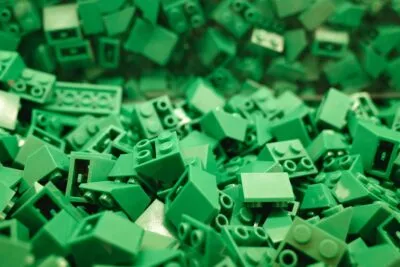
Many toys are made from this type of plastic, particularly things like Lego blocks. Acrylonitrile Butadiene Styrene can also be used to manufacture parts for cars and other vehicles.
Polyvinyl Chloride (PVC)
PVC is a thermoplastic that can be made to be either flexible or rigid, making it another type of plastic with many uses. Particularly resistant to weather conditions, PVC is commonly used for construction purposes, with items such as pipes, hoses, tubing and roof sheeting all made from this material.
Polycarbonate
Polycarbonate is another type of thermoplastic that can be used to make drinks bottles and storage containers for food. It can also be used to form CDs and DVDs.