Example heading
Opus Plastics is powered by clean, renewable energy using an anaerobic digestion (AD) plant. Learn how.
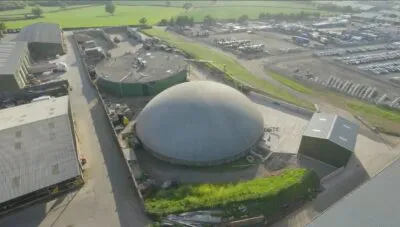
Our sister company, Greendale Farming, collects manure and soiled bedding from their cattle, and grow crops specifically for use in a AD plant (typically maize, rye or other grasses). This material is chopped into a 50/40 mix of manure and cropped plant matter, then blended with collected rainwater – this is known as input or feedstock. The feedstock is pumped into the AD plant digestion chamber, a dark, heated, oxygen-free environment where bacteria break down the feedstock to produce biogas and solids (digestate).
The biogas is piped to a cogeneration unit and converted into heat and electricity which is used to power the Greendale Business Park and our office and factory. The digestate is collected and recycled as more feedstock mixture, or used as organic fertiliser.
The whole process is surprisingly quick (feedstock added in the morning will typically produce biogas by the afternoon) and is reliant on maintaining a healthy microbial environment inside the digestion chamber – to this end, we carry out daily safety checks, including measuring the temperature and pH levels inside the chamber, as well as monitoring the status of the bacteria.
Why this benefits you
Powering our injection moulding and extrusion machines with energy from the AD plant offers a meaningful benefit to our customers, especially those with sustainability goals. Manufacturing products using renewable energy, rather than relying on the grid, significantly reduces the embodied carbon of the moulded parts. This supports our customers’ environmental, social and governance (ESG) and sustainability targets. Many of our customers have committed to reducing Scope 3 emissions—those generated within their supply chains. Therefore, purchasing components manufactured using renewable energy will help them achieve these goals.